Your Feedback
Your Feedback Matters
منظمة التحرير الفلسطينية
اللجنة الوطنية الفلسطينية للتربية والثقافة والعلوم
Palestinian National Commission for Education, Culture and Science
The Palestinian National Commission for Education, Culture and Science Celebrates Its 40th Anniversary with Broad International and Local Participation
Click any image to open it. Use ←/→ to navigate and × to close.
2026-07-30
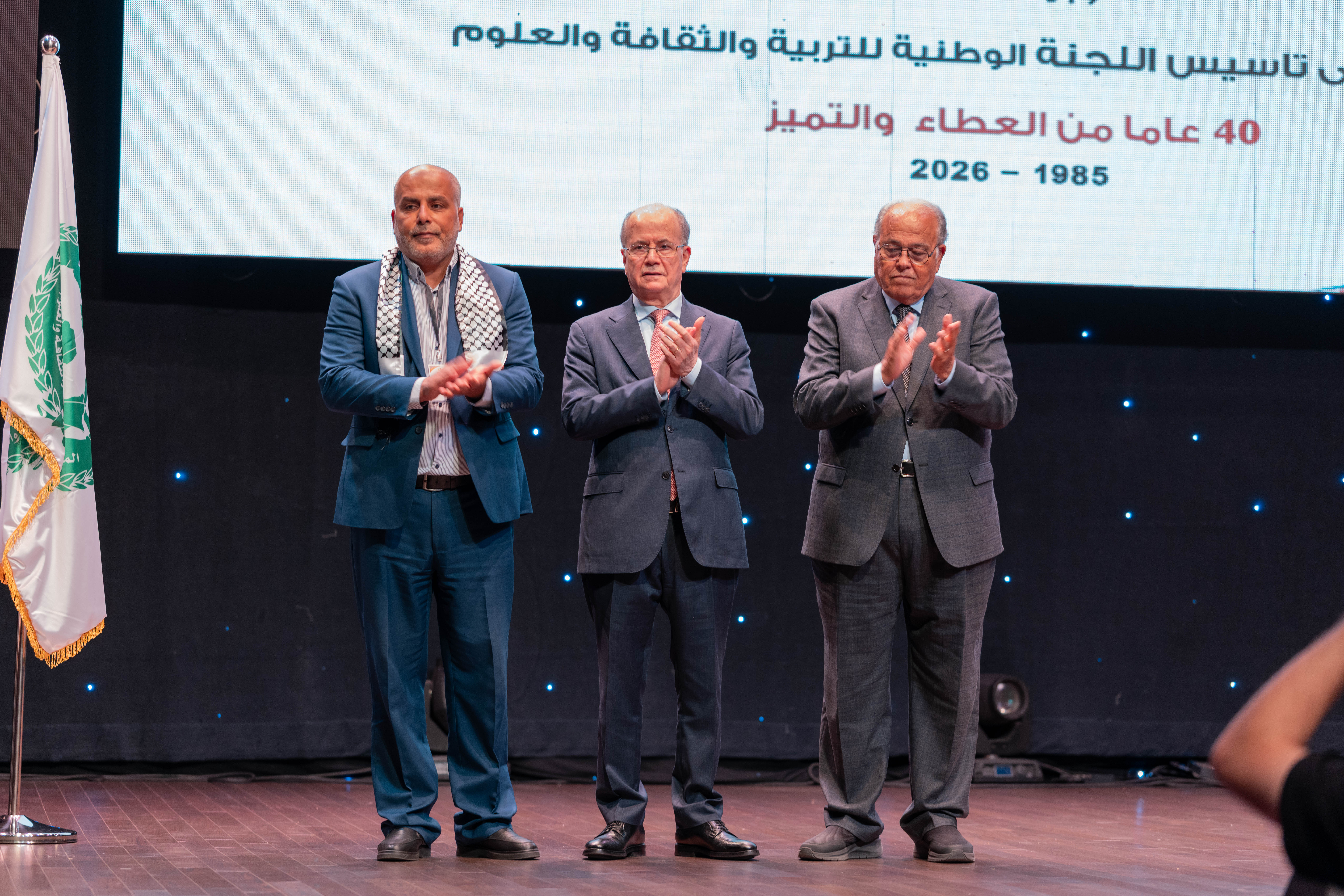
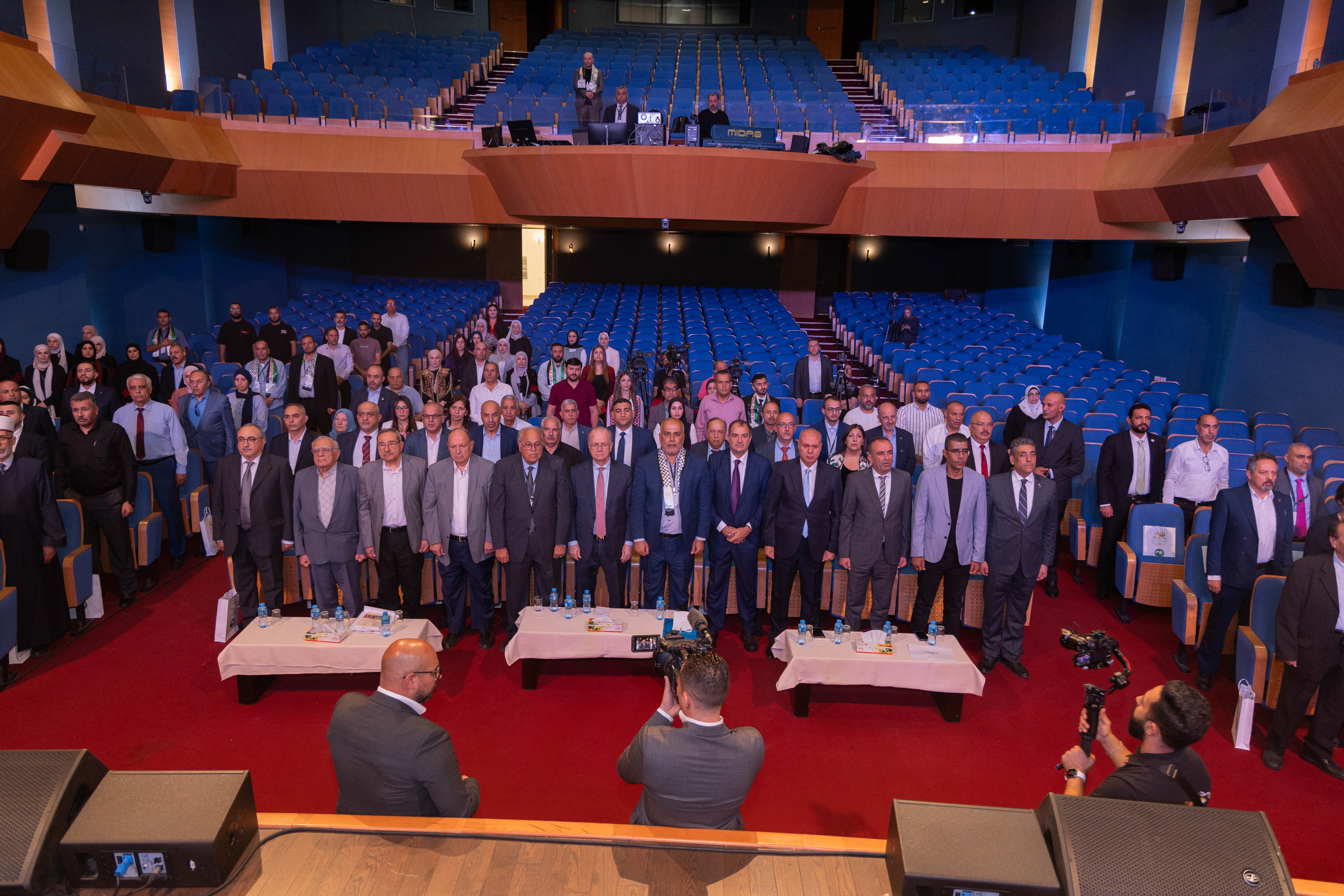
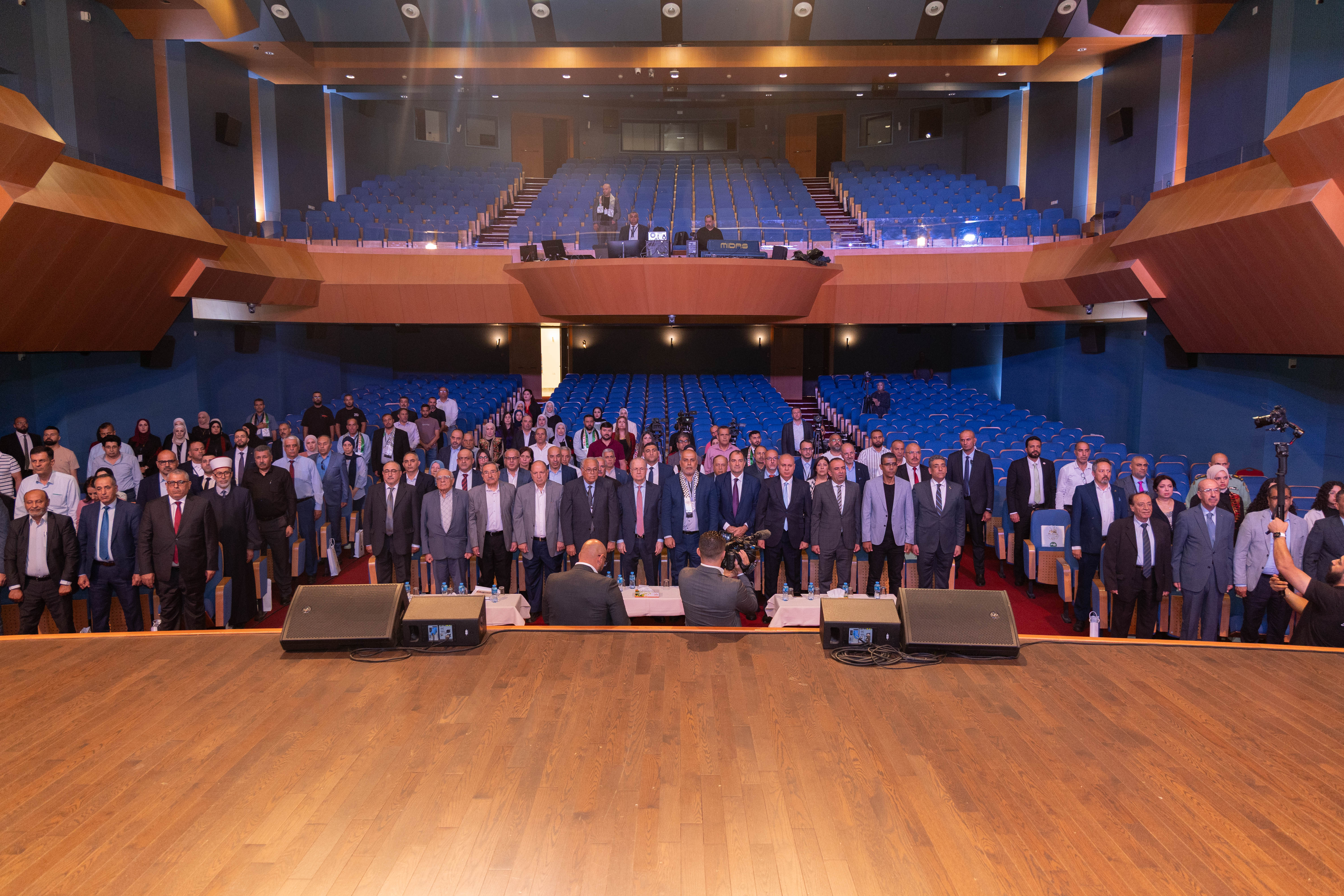
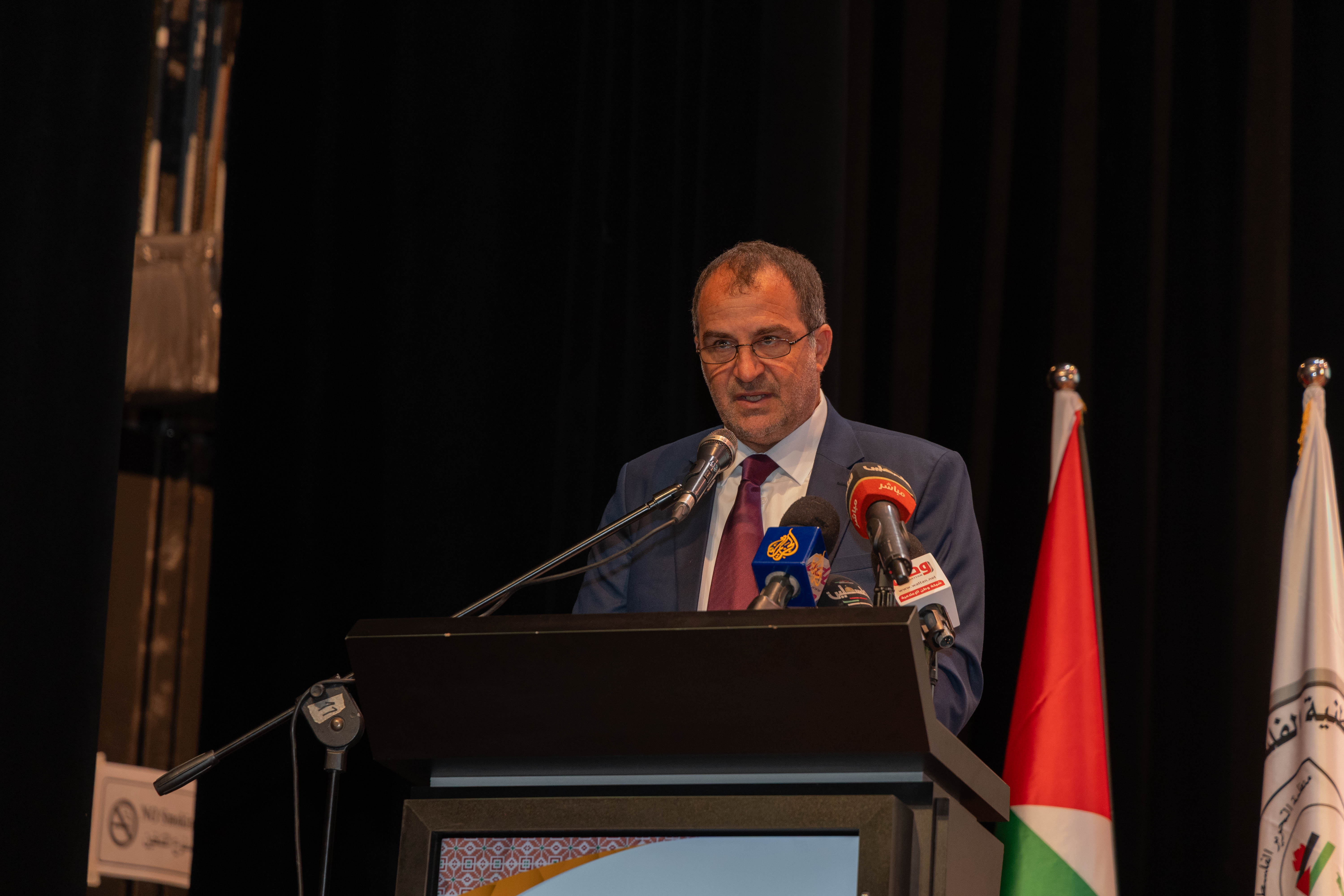
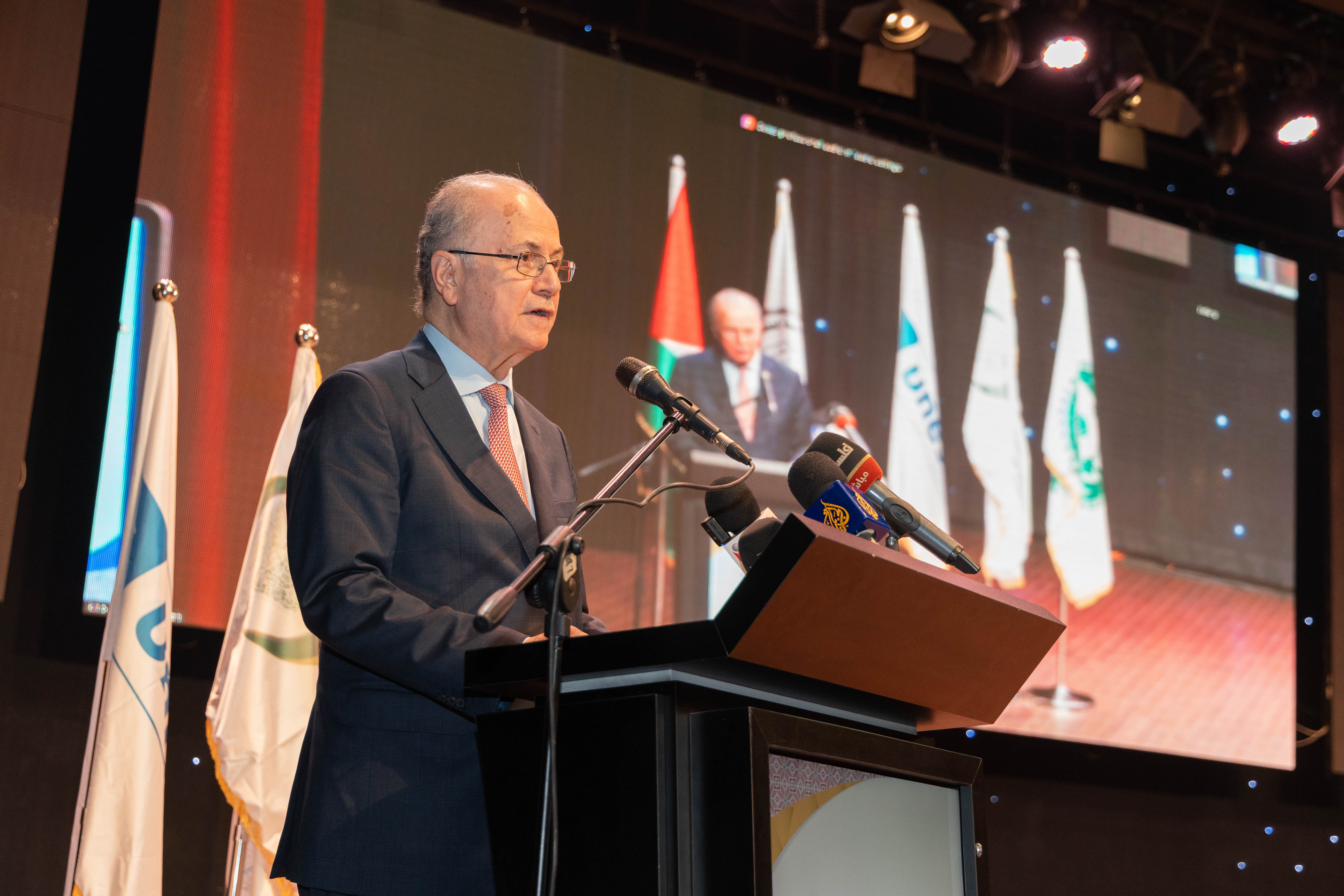
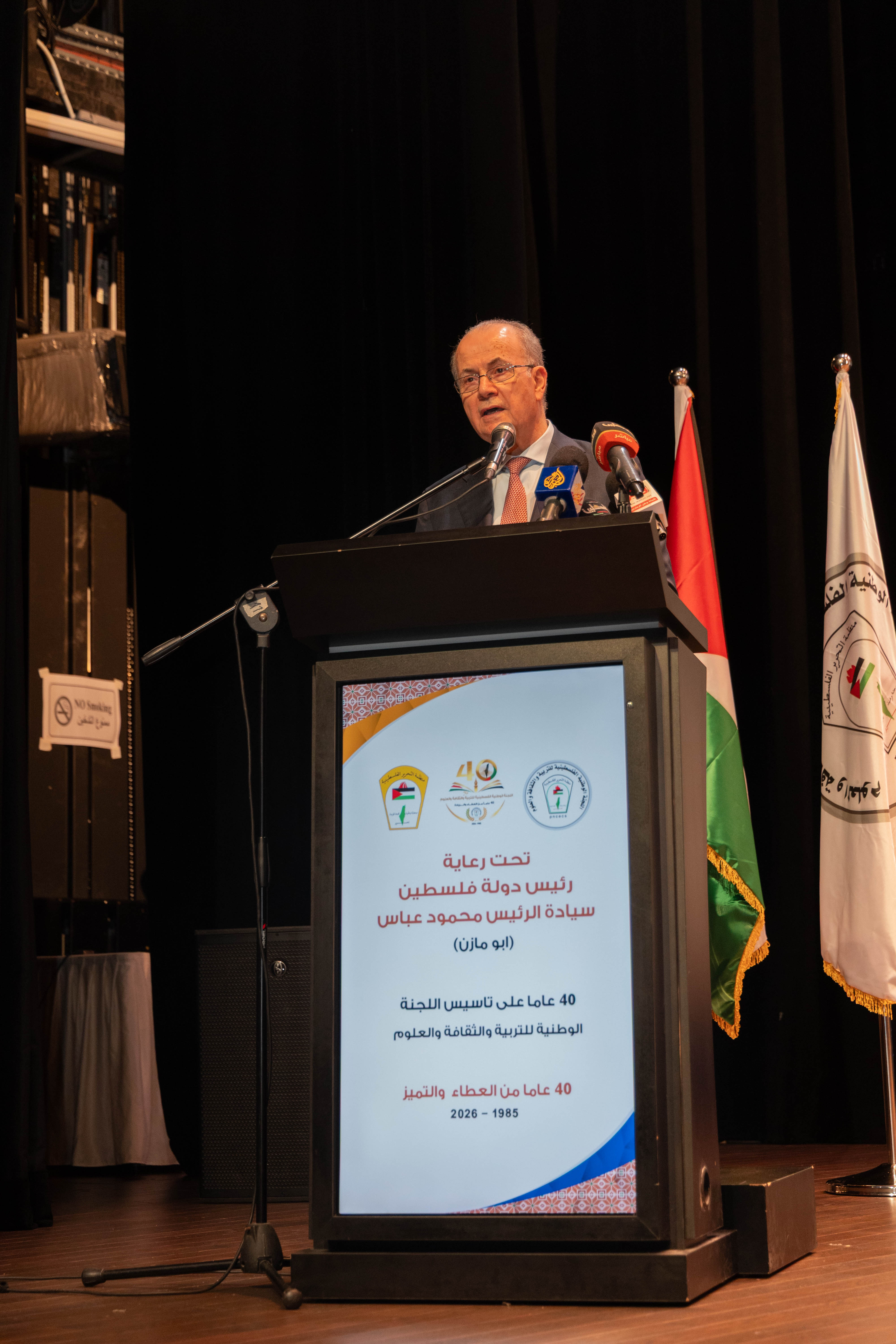
Al-Bireh – Monday, 27 July 2026 – Under the patronage of H.E. Mahmoud Abbas “Abu Mazen,” President of the State of Palestine, and with the participation of H.E. Prime Minister Dr. Mohammad Mustafa, representing the President, and H.E. Prof. Ali Zaidan Abu Zuhri, Member of the Executive Committee of the Palestine Liberation Organization and President of the Palestinian National Commission for Education, Culture and Science, the Commission marked the 40th anniversary of its establishment on Monday.Against a solemn national backdrop in which the legacy of past achievements converged with aspirations for the future, the Commission held a major national celebration at the theatre of the Palestine Red Crescent Society in Al-Bireh.
The event was attended by members of the Executive Committee of the Palestine Liberation Organization; members of Fatah’s Central Committee and Revolutionary Council; secretaries-general of Palestinian national factions; members of the Council of Ministers; heads of governmental and civil society institutions; directors and representatives of Arab, Islamic and international organizations, including UNESCO, ICESCO and ALECSO; members of the Palestinian National Committee for Tangible and Intangible Cultural Heritage; members of educational and cultural forums; academic, cultural and media figures; and a broad gathering of partners who have contributed to the Commission’s journey over the past four decades. Participants joined both in person and remotely.
In his address, H.E. Prime Minister Dr. Mohammad Mustafa, representing the President of the State of Palestine, conveyed the greetings of H.E. President Mahmoud Abbas. He affirmed the Palestinian leadership’s pride in the National Commission and in the role it has played since its establishment in advancing education, culture and science and strengthening the presence of the State of Palestine in regional and international organizations and forums.
Dr. Mustafa stated that the celebration represented a significant national milestone—one that called for pride in the achievements made and a renewed commitment to continued cooperation toward building a brighter future founded on knowledge, innovation and partnership.
He noted that the broad national participation in the event reflected the extensive partnerships upon which the Commission’s work has been built throughout its history. He emphasized that its achievements were not the result of individual efforts, but rather the outcome of sustained cooperation among government institutions, national organizations, academics, experts, and Arab and international partners. Together, they have helped establish the National Commission as an inclusive framework for joint action across its areas of specialization.
The Prime Minister added that the Commission’s significant achievements in education, culture and science had contributed to strengthening the presence of Palestinian heritage on the global map of human heritage, expanding academic, cultural and scientific partnerships, promoting scientific research, empowering young people and fostering intercultural dialogue.
These efforts, he said, are rooted in the vision of the State of Palestine, which places the Palestinian people at the forefront of its priorities as the nation’s most valuable asset. He reaffirmed that the Palestinian government would continue supporting national institutions working in these sectors and strengthening their presence and partnerships in ways that preserve Palestine’s cultural and civilizational heritage and advance national development objectives.
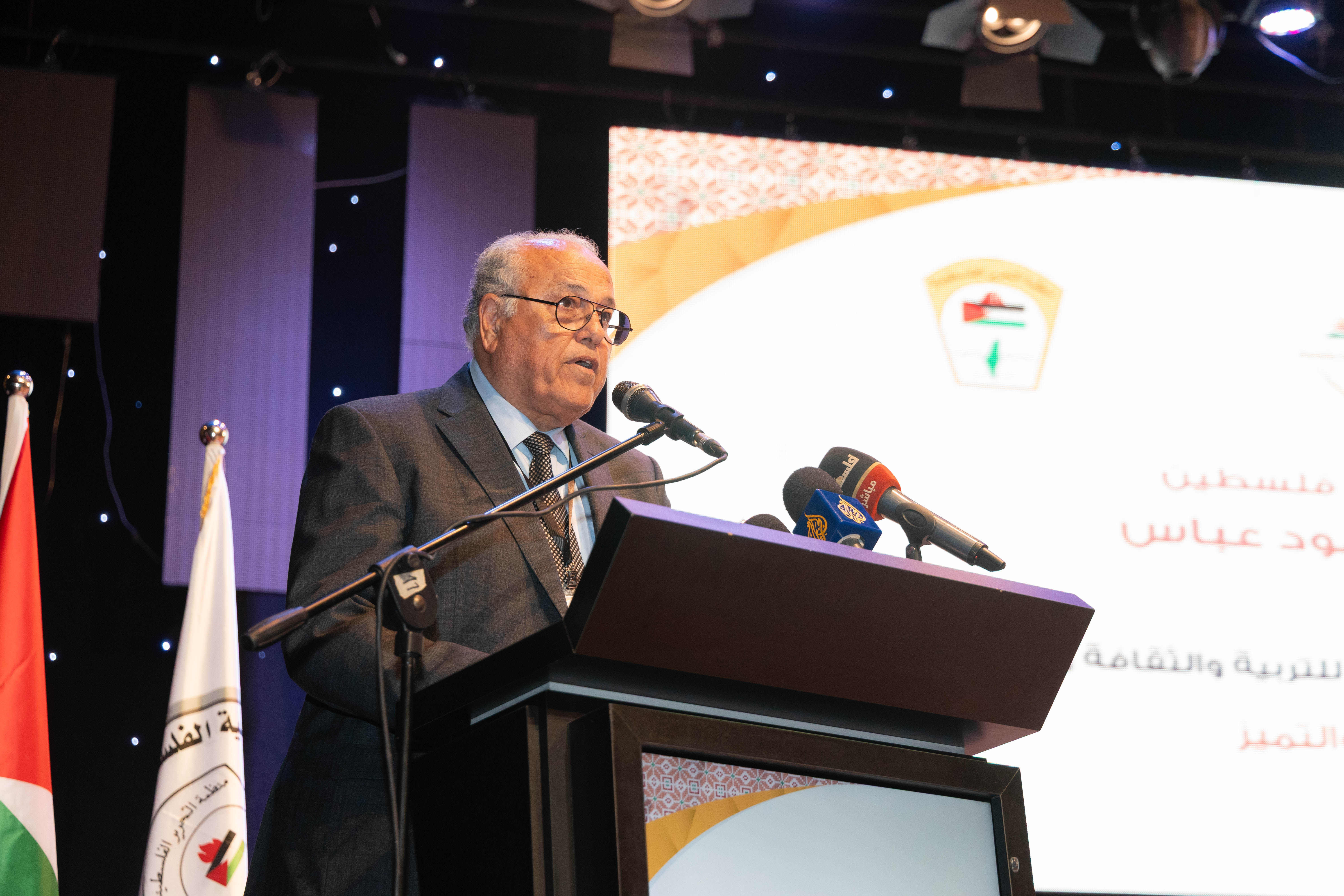
For his part, H.E. Prof. Ali Zaidan Abu Zuhri, Member of the Executive Committee of the Palestine Liberation Organization and President of the Palestinian National Commission for Education, Culture and Science, welcomed the participants.
He stated that celebrating the Commission’s 40th anniversary was not merely an occasion to look back on its past, but a national moment to renew the commitment to building upon an institutional legacy shaped by successive generations of leaders, staff members and partners who have carried Palestine’s message in the fields of education, culture and science and consolidated its presence at the national, Arab, regional and international levels.
Prof. Abu Zuhri emphasized that the National Commission had been established in response to a national need to strengthen Palestine’s presence in Arab, regional and international organizations. It was also founded to serve as an inclusive national framework that coordinates efforts among various institutions and promotes education, culture and science as fundamental pillars for safeguarding national identity and developing the Palestinian people.
He noted that, throughout the various stages of its work, the Commission had demonstrated its ability to adapt to national and humanitarian challenges. During the COVID-19 pandemic, it played an active role in supporting distance-learning initiatives, building teachers’ capacities and helping to mitigate learning loss.
During the aggression against the Gaza Strip, the Commission intensified its coordination with national and international institutions to mobilize support for the education and culture sectors and to provide educational opportunities and scholarships for Palestinian students, guided by the conviction that education will remain the first line of defence for Palestine’s future.
Prof. Abu Zuhri stressed that Jerusalem would remain at the heart of the Commission’s priorities. This commitment would be pursued through programs and initiatives designed to strengthen the resilience of the city’s educational and cultural institutions, safeguard its Arab and Palestinian identity, protect its civilizational heritage, and enhance its presence in regional and international forums.
He affirmed that the Commission was entering its fifth decade with a more ambitious vision focused on advancing institutional performance, strengthening governance and transparency, investing in young people and women, supporting creativity and innovation, and harnessing technology and artificial intelligence in the service of education, culture and scientific research. These priorities, he added, would contribute to building a knowledge-based economy and achieving sustainable development.
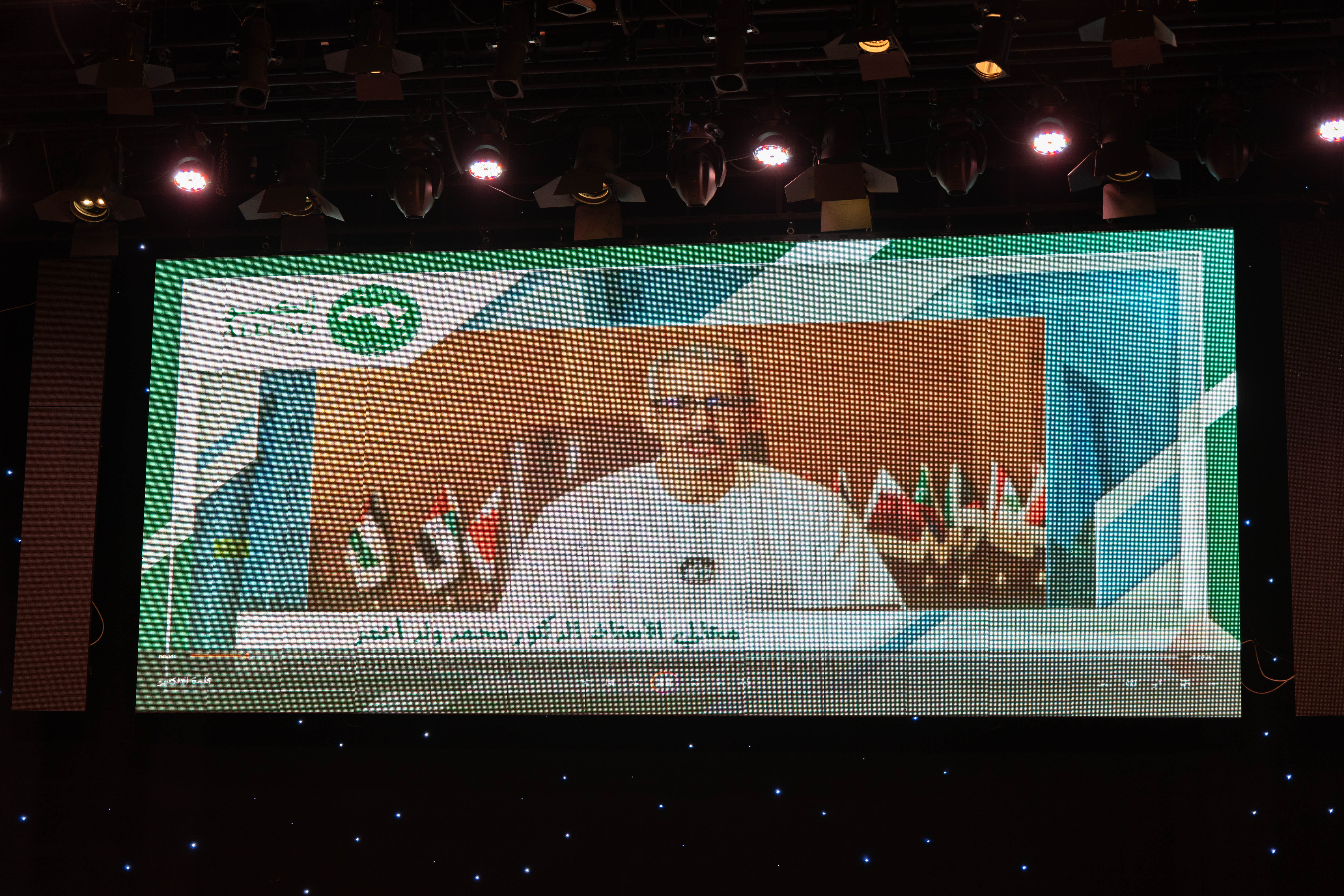
Participating remotely, H.E. Dr. Mohamed Ould Amar, Director-General of the Arab League Educational, Cultural and Scientific Organization (ALECSO), congratulated the Palestinian National Commission on the occasion.
He emphasized that the anniversary represented a moment of pride in a national institution that, over four decades, had played a pivotal role in advancing education, culture and science and strengthening the presence of the State of Palestine at the Arab, regional and international levels, despite the grave challenges facing the Palestinian people.
Dr. Ould Amar stated that the relationship between ALECSO and the Palestinian National Commission had moved beyond the framework of traditional institutional cooperation and evolved into a strategic partnership founded on a shared vision of serving the Palestinian people and developing high-impact programs in education, culture and science.
He renewed ALECSO’s commitment to broadening cooperation with the National Commission in ways that strengthen Palestine’s presence in Arab and international forums and contribute to implementing joint initiatives and projects in the coming period.
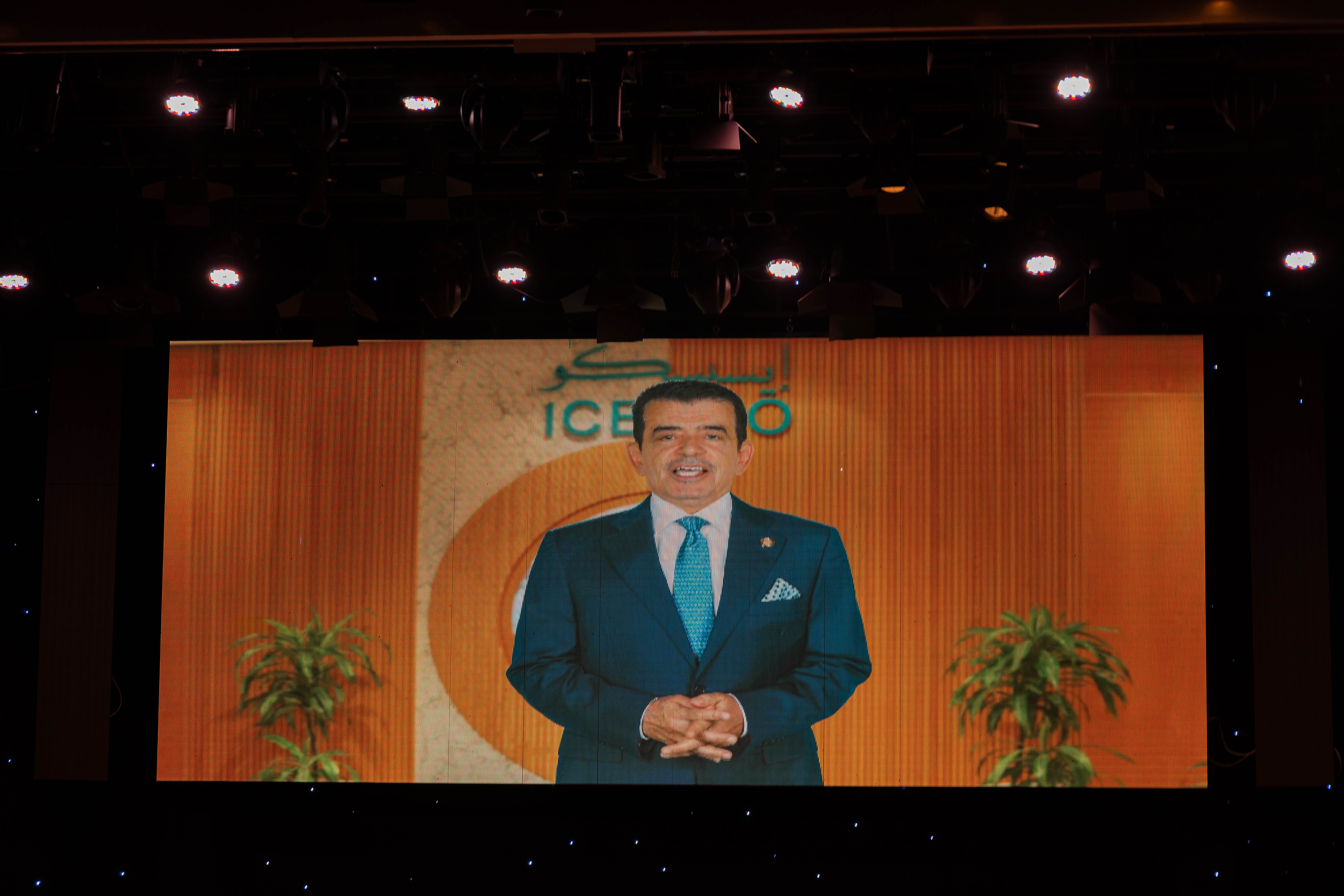
In a remotely delivered address, Dr. Salim M. AlMalik, Director-General of the Islamic World Educational, Scientific and Cultural Organization (ICESCO), expressed his pleasure at participating in the celebration of this national occasion.
He stated that the Commission’s 40th anniversary offered an opportunity to reflect on a remarkable journey of service and dedication—one that had carried forward the mission of education, culture and science with determination and perseverance and contributed to promoting knowledge and strengthening Palestinian national institutions.
Dr. AlMalik highlighted the important role played by the Palestinian National Commission in safeguarding national memory, enriching cultural life, supporting Palestinian talent and developing Palestinian human capital. He affirmed that ICESCO would continue strengthening its cooperation with Palestinian institutions, expanding capacity-building programs, safeguarding Palestinian cultural heritage, and developing initiatives aimed at supporting education, culture and science in Palestine.
He explained that Jerusalem had always held a special place in ICESCO’s programs, with dedicated initiatives and activities designed to reinforce the city’s cultural and civilizational presence.
The partnership with the National Commission had also extended to supporting educational and cultural institutions and Palestinian students, particularly during the COVID-19 pandemic. It had further included initiatives to empower young people and persons with disabilities, reflecting the depth of the relationship between ICESCO and the State of Palestine and the Organization’s commitment to continued cooperation across various fields.
Karim Hendili, Head of the UNESCO Ramallah Office and Representative to Palestine, also congratulated the National Commission on its 40th anniversary and conveyed the congratulations of UNESCO Director-General Dr. Khaled El-Enany.
Hendili stated that, over the past four decades, the Commission had served as a vital bridge between Palestinian society and UNESCO’s mandate in education, culture, science and communication. It had also contributed to advancing the right to education, protecting cultural heritage and promoting the values of peace and sustainable development.
He further congratulated Palestine on the inscription of the Ancient Sebastia archaeological site on the UNESCO World Heritage List, describing it as a national achievement that reflected sustained efforts to safeguard Palestinian heritage.
Hendili noted that the resolutions adopted by UNESCO’s General Conference reflected the international community’s commitment to supporting Palestine, particularly in protecting its heritage, strengthening the education and culture sectors, and responding to the impact of the aggression against the Gaza Strip.
He commended the efforts of the Palestinian National Commission, under the leadership of Prof. Ali Zaidan Abu Zuhri, in securing the adoption of these resolutions, launching UNESCO’s Emergency Assistance Program for Gaza, and calling for financial and technical support to rebuild educational and cultural institutions.
Hendili renewed UNESCO’s commitment to continuing its partnership with the Palestinian National Commission. He stressed that cooperation between the two sides had produced significant achievements, including the inscription of Palestinian sites on the World Heritage List, strengthening the role of UNESCO Chairs at Palestinian universities, and expanding participation and capacity-building programs.
He also expressed UNESCO’s aspiration to continue working with the Commission to protect Palestinian identity, advance knowledge and help build a more prosperous future.
The celebration also featured a tribute to the former secretaries-general of the Palestinian National Commission in recognition of their national service and the contributions they made to developing the Commission’s work and strengthening its standing. They were honored as partners in shaping a history spanning four decades of institutional work and national dedication.
The honorees were the late Jihad Qurra Shouli “Abu Manhal,” the late Dr. Hisham Mustafa, Ismail Al-Tilawi “Abu Fadi,” Murad Al-Sudani and Dr. Dawas Dawas.
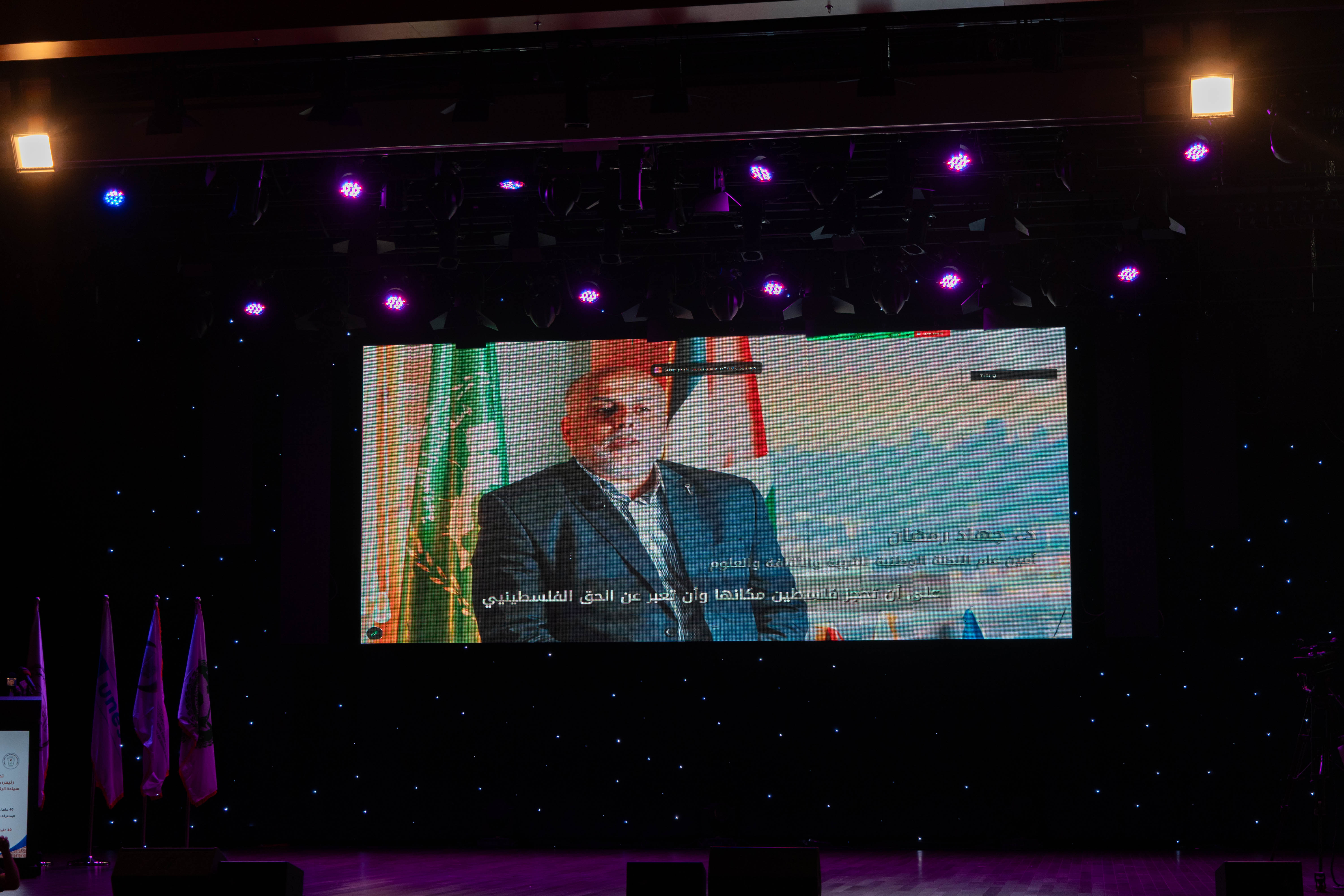
The event included the screening of a documentary highlighting the most significant milestones in the Commission’s journey since its establishment in 1985 and its notable achievements at the national, Arab and international levels.
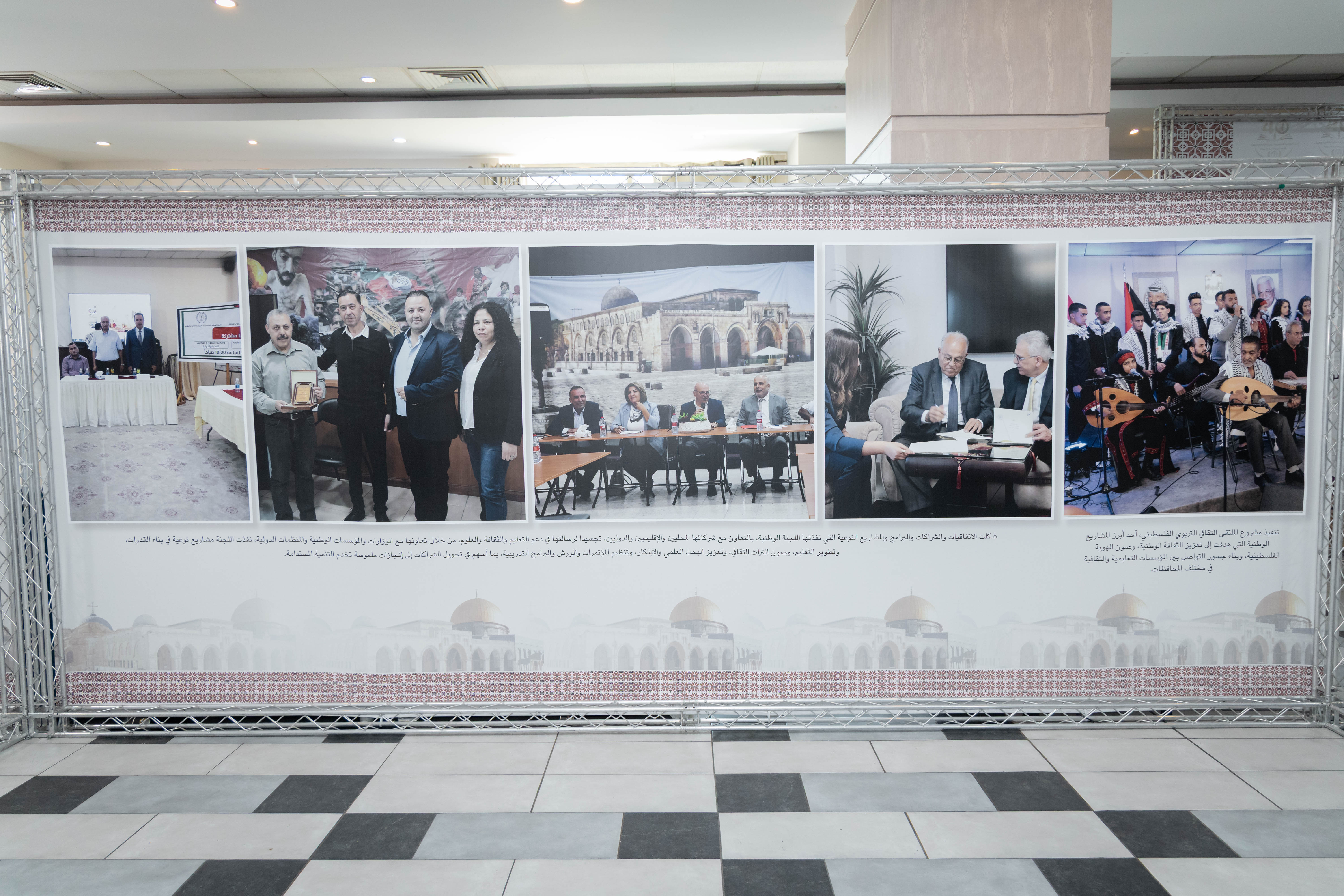
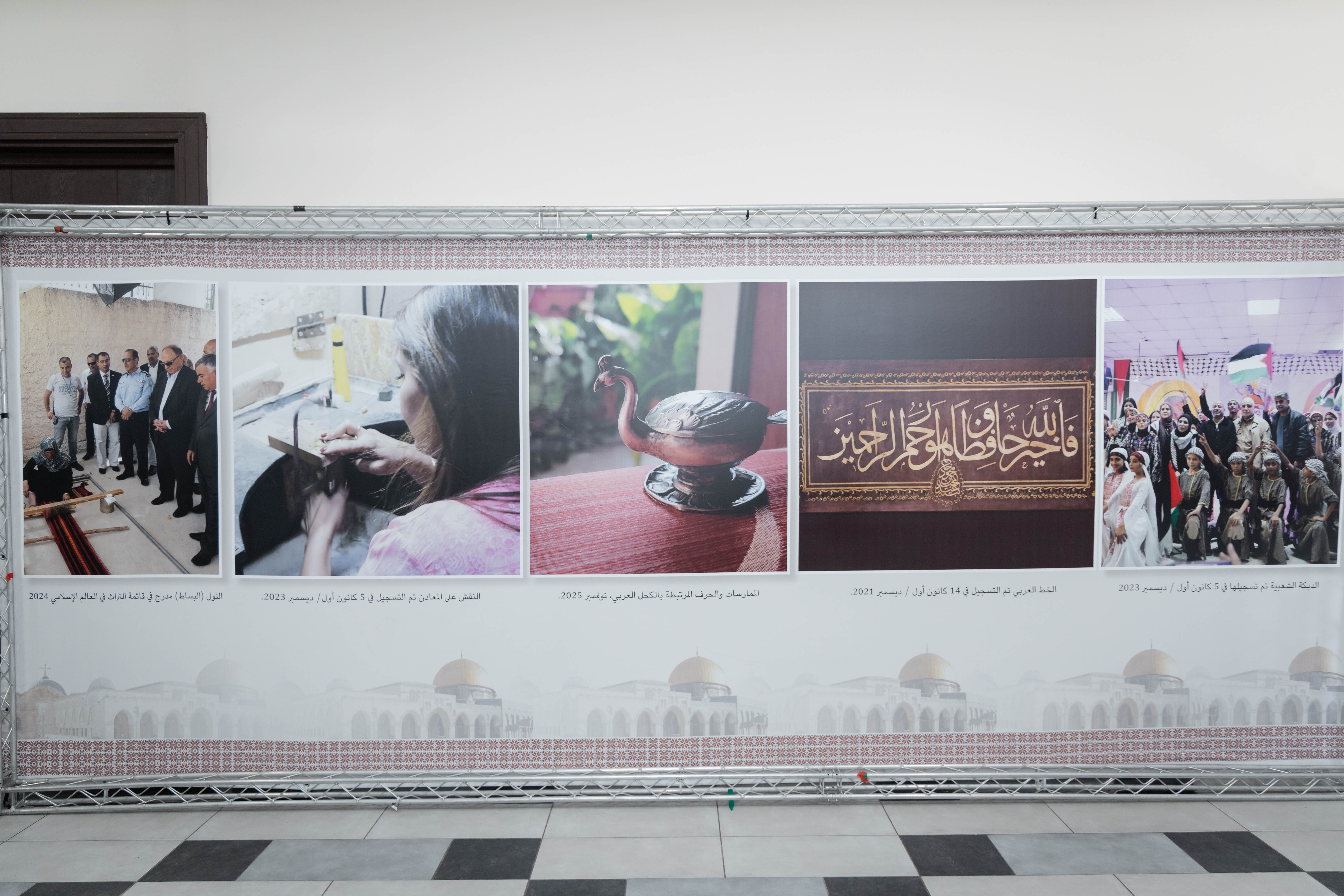
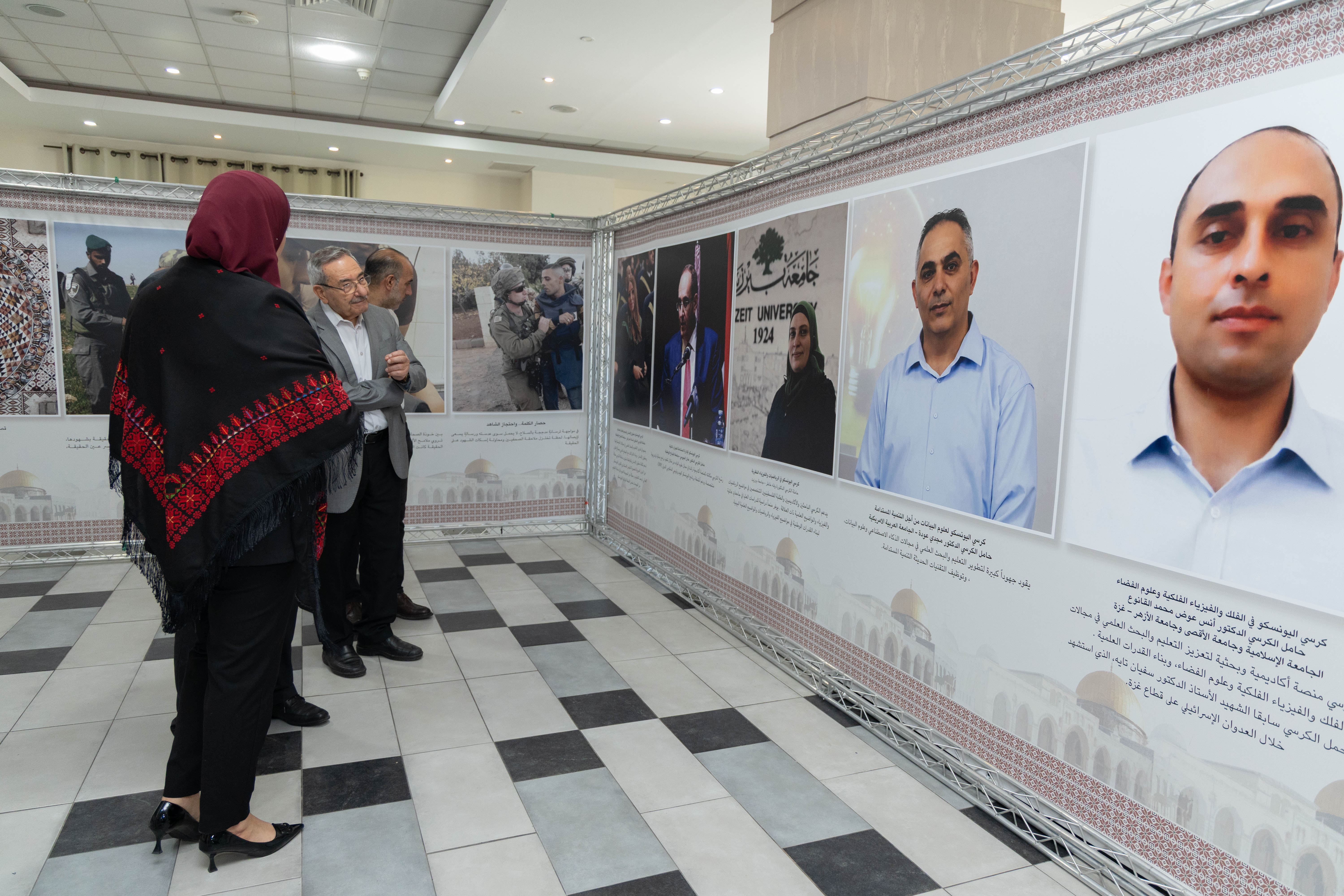
A photo exhibition also traced the Commission’s history and highlighted the major milestones of its four-decade journey. The celebration concluded with a traditional artistic performance that reflected the authenticity of Palestinian cultural heritage and embodied the Palestinian people’s deep connection to their national identity and civilizational heritage.